
Marca y demanda | Cómo las marcas ambidextrías construyen el mañana mientras venden hoy
La marca construye la memoria mientras la demanda genera impulso. El crecimiento bidireccional vincula el rendimiento actual con las preferencias de mañana.

Basado en ‘Más allá de Babel | La dignidad humana en la era de la inteligencia artificial’, publicado por Cristián Saracco, Nicholas Ind y Giuseppe Cavallo, miembros del Grupo Medinge
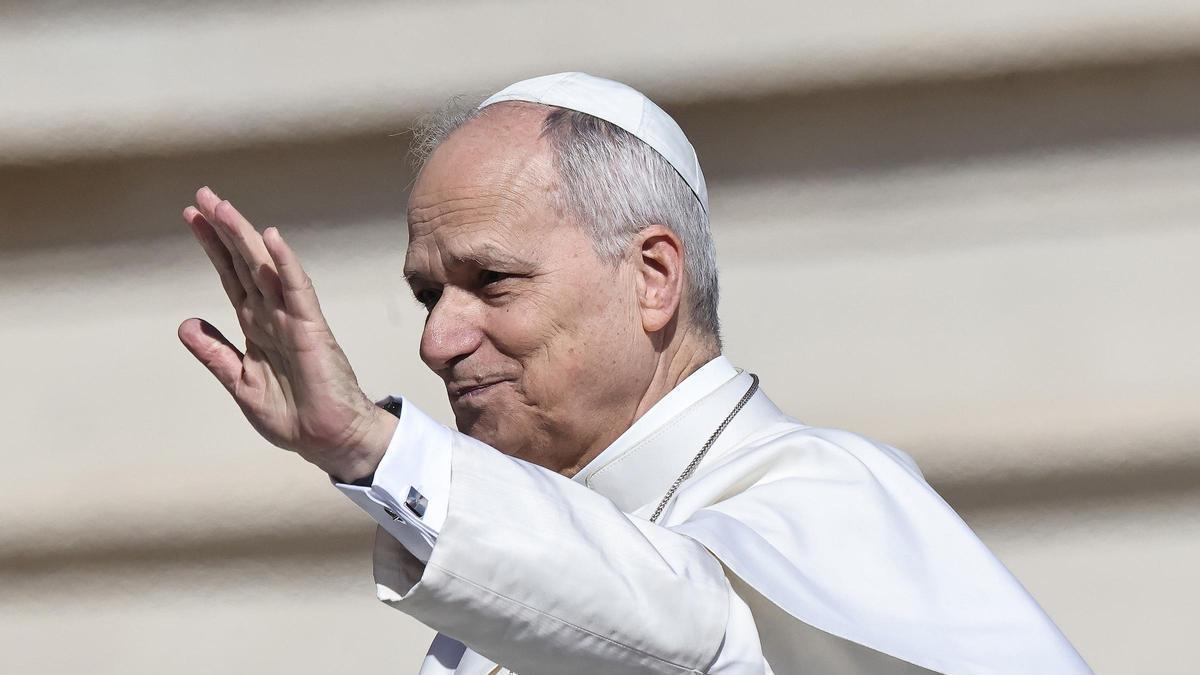
La inteligencia artificial —IA— suele abordarse como una cuestión de tecnología, productividad, eficiencia o ventaja competitiva. Es todo eso, por supuesto. Pero la encíclica del papa León XIV Magnifica Humanitas nos recuerda que la IA es también algo más profundo: una cuestión de dignidad humana, responsabilidad moral y el tipo de civilización que decidimos construir.
El propio título, La magnífica humanidad, constituye una respuesta discreta pero firme contra el «tecnoevangelismo» que a menudo trata a los seres humanos como obstáculos biológicos ineficaces para el progreso. Sin embargo, la encíclica no es antitecnológica. No se deja llevar por la desconfianza nostálgica, ni condena la innovación con alarmismo teatral. Su argumento es más sutil y exigente: la tecnología nunca es meramente técnica. Conlleva las intenciones, los incentivos y los supuestos de quienes la diseñan, financian, regulan y utilizan.
Esto tiene una gran importancia para las marcas y las empresas.
La IA ya no es simplemente una herramienta que permanece discretamente en segundo plano. Influye en las decisiones, las experiencias, las relaciones, las comunicaciones y las expectativas. Puede ayudar a las marcas a escuchar mejor, atender más rápido, imaginar con mayor audacia y operar de forma más inteligente. Pero también puede anular el criterio humano, automatizar la mediocridad, manipular la atención, debilitar la confianza y reducir a las personas a patrones de comportamiento dentro de sistemas optimizados para la extracción de datos.
La cuestión, pues, no es si las marcas deberían utilizar la IA. Ya lo hacen, y lo harán cada vez más. La verdadera cuestión es en qué tipo de organizaciones se convierten al utilizarla.
Una de las imágenes más impactantes de Magnifica Humanitas es el contraste entre Babel y Jerusalén.
Babel representa la tentación de construir un futuro basado en el control, la uniformidad y la autosuficiencia. Es la ciudad de la brillantez técnica y la pobreza espiritual: impresionante, eficiente, escalable —y peligrosamente vacía—. En el contexto de la IA, Babel es lo que ocurre cuando el progreso se mide únicamente por la velocidad, la potencia, la automatización y la capacidad predictiva, mientras que el ser humano que hay detrás se vuelve más pequeño, más cuantificable y, en última instancia, más prescindible.
Jerusalén, por el contrario, no es nostalgia. No es un refugio piadoso hacia tiempos más seguros. Es el trabajo compartido de reconstruir una vida en común. Es plural, práctica, herida y esperanzada. Pide a cada persona, institución, empresa y comunidad que asuma la responsabilidad de su propio tramo de muro.
Para las empresas, esta distinción es fundamental. Las marcas no son meros espectadores neutrales en la era de la IA. Contribuyen a dar forma al lenguaje, las expectativas y los comportamientos a través de los cuales las personas experimentan la tecnología. Influyen en que la IA se adopte como una herramienta para el desarrollo humano o como otra forma de dominación invisible.
Una marca que considera la IA simplemente como una forma más barata de producir más contenido está creando una «Babel» con un software mejor. Una marca que utiliza la IA para potenciar la relevancia, la dignidad, la confianza y una experiencia humana significativa está haciendo algo más interesante —y más necesario—.
La idea central de la encíclica es que la tecnología no es neutral una vez que se integra en la sociedad. La inteligencia artificial viene diseñada, financiada, es propiedad de alguien, entrenada, regulada, interpretada y puesta en práctica. Encarna decisiones sobre lo que importa, lo que cuenta, lo que se premia y lo que se ignora.
Por eso la ética no puede ser un mero apéndice de cortesía que se añada tras la implementación. La habitual coreografía empresarial —innovar primero, establecer principios después y disculparse si es necesario— ya no es suficiente. La IA necesita discernimiento antes de su implantación, gobernanza antes de que se genere dependencia y responsabilidad antes de su expansión.
Una advertencia procedente del propio sector tecnológico refuerza esta idea. En la presentación de Magnifica Humanitas, Según se informa, Christopher Olah, cofundador de Anthropic, le dijo al papa León XIV que las organizaciones que desarrollan IA avanzada no pueden autogobernarse por completo porque sus incentivos —comerciales, geopolíticos y personales— no están necesariamente alineados con la protección de la humanidad. También sugirió que la tecnología ha superado los límites de la comprensión total, incluso para quienes la crean.
En conjunto, las implicaciones dan que pensar: no se puede dejar que quienes desarrollan la IA se autorregulen por completo, ni pueden rendir cuentas plenamente de lo que están creando. Eso no los convierte en villanos. Pero sí significa que son esenciales las voces morales externas —voces cuya prioridad no sea el beneficio, el dominio del mercado o el poder, sino la persona humana como fin en sí misma—.
Es aquí donde la encíclica deja de ser un mero documento religioso. Se convierte en un acto público de autoridad moral.
Magnifica Humanitas se hace especialmente concreto cuando se refiere a la verdad, el trabajo y la libertad.
La verdad se considera un bien común. Esto cobra especial relevancia en una era marcada por los contenidos sintéticos, la distribución algorítmica, los «deepfakes» y la manipulación emocional. Las marcas siempre han moldeado la percepción, pero la inteligencia artificial amplía su capacidad para simular, personalizar y persuadir. El peligro no es solo la falsedad, sino la erosión gradual de la realidad compartida.
El trabajo no se considera un coste que hay que optimizar hasta su desaparición, sino una expresión de la dignidad humana. La IA puede potenciar las capacidades de las personas, reducir las tareas repetitivas y dar rienda suelta a nuevas formas de creatividad. Sin embargo, también puede desplazar a los trabajadores, reducir sus competencias, controlar y fragmentar el trabajo. La cuestión moral no es si la IA hace que las organizaciones sean más eficientes, sino si hace que la vida económica sea más humana.
La libertad es, quizás, la más frágil de las tres. Los sistemas digitales no solo ofrecen opciones; pueden predecir, moldear y monetizar el deseo. Pueden crear dependencia y, al mismo tiempo, llamarla «compromiso». Pueden convertir la atención en inventario. Para las marcas, esto supone una gran responsabilidad: la influencia no debe convertirse en manipulación simplemente porque el panel de control indique que funciona.
Detrás de todos estos temas se esconde la cuestión del poder.
La IA se está desarrollando en un mundo en el que algunas de las infraestructuras tecnológicas más decisivas están controladas por actores privados cuya envergadura e influencia superan la capacidad de muchas instituciones públicas. La cuestión no es si estas organizaciones son buenas o malas. La cuestión es si se puede confiar en un poder sin la suficiente rendición de cuentas para definir el futuro de la experiencia humana.
En este sentido, conviene distinguir entre poder y autoridad. El poder es la capacidad de hacer que los demás actúen; la autoridad es la legitimidad que hace que los demás estén dispuestos a seguir a alguien. El poder puede imponer la obediencia; la autoridad se gana el reconocimiento.
Las marcas operan cada vez más en esta tensión. Su poder proviene de los datos, las plataformas, los medios de comunicación, el diseño de experiencias y la influencia en el comportamiento. Sin embargo, solo adquieren autoridad cuando ese poder se ejerce con legitimidad, transparencia y responsabilidad.
La encíclica también puede interpretarse desde la perspectiva de ambidexteridad: la disciplina de proteger lo que debe permanecer y, al mismo tiempo, transformar lo que debe cambiar.
Para las empresas, esto significa explorar las posibilidades de la inteligencia artificial sin perder los fundamentos humanos de los que depende el valor duradero:
La inteligencia artificial puede mejorar la toma de decisiones, acelerar el aprendizaje, eliminar obstáculos y dar lugar a nuevas formas de servicio. Sin embargo, si se utiliza de forma inadecuada, también puede automatizar suposiciones erróneas, agravar el cortoplacismo y alejar a los líderes de las consecuencias humanas de sus decisiones.
La pregunta ambigua es:
¿Cómo puede ayudarnos la IA a ser más valiosos sin dejar de ser humanos?
Para las marcas, el reto es igual de claro. La IA facilitará la generación de contenidos, la personalización de mensajes y la optimización de experiencias. También hará que a las marcas les resulte más fácil volverse vacías: más activas, fluidas y receptivas, pero menos sinceras, menos distintivas y menos dignas de confianza. Por eso, una marca debe actuar como un sistema de significado, que conecte propósito, promesa, comportamiento, cultura y experiencia.
Para los líderes, la IA pondrá a prueba su capacidad de juicio más que sus conocimientos técnicos. La tentación será dejar que los paneles de control sustituyan a las conversaciones, que las predicciones sustituyan a la sabiduría y que los sistemas automatizados sustituyan a la responsabilidad. Pero el algoritmo puede recomendar, clasificar o generar; no asume ninguna responsabilidad moral. Esa es cosa de las personas.
La ambidexteridad en la era de la IA significa innovar sin perder la conciencia, crecer sin dejar de lado la responsabilidad, automatizar sin renunciar al criterio propio y transformar sin olvidar lo que hace que las empresas, las marcas y el liderazgo sean verdaderamente humanos.
La conexión más profunda entre Magnifica Humanitas y la imagen de marca se basa en el concepto de conciencia.
La Conciencia En el mundo empresarial, la conciencia no es una virtud meramente decorativa. No es un párrafo sin peso en un informe de sostenibilidad, ni la pátina moral con la que se adornan los objetivos trimestrales. La conciencia es el lugar desde el que una organización toma sus decisiones. Da forma a lo que una empresa ve, a lo que ignora, a lo que considera aceptable y a lo que se niega a convertirse.
Esto reviste una enorme importancia en la era de la IA. La inteligencia artificial facilitará a las marcas expresarse, publicar, simular y personalizar. También les facilitará volverse vacías de contenido. La gran paradoja es que las máquinas pueden ayudar a las marcas a parecer más humanas, mientras que las organizaciones se comportan de forma menos humana.
Una marca con conciencia se plantea preguntas diferentes:
No se trata de cuestiones sentimentales, sino estratégicas. Las empresas que pierden la confianza, la coherencia y la legitimidad acaban pagándolo. A veces, en términos económicos. A veces, en términos culturales. A menudo, en ambos.
¿Tendrá repercusión la encíclica del papa León? Siempre habrá quienes rechacen la idea de que el juicio moral tenga un papel significativo en el mundo empresarial. Para ellos, la eficiencia prevalece sobre cualquier preocupación que pueda surgir respecto a su impacto en la humanidad.
Sin embargo, sería un mundo vacío si la eficiencia siempre prevaleciera sobre la creatividad, la atención y el fomento de la inteligencia humana.
El argumento fundamental del Papa es que no debemos perder lo que nos convierte en seres humanos magníficos. Los líderes deben actuar con sensatez si queremos aprovechar las virtudes de la inteligencia artificial sin dejar de respetar la dignidad humana. Las empresas pueden desempeñar un papel decisivo en este sentido, pero solo si reconocen la oportunidad de actuar como agentes de influencia moral, además de cumplir con sus imperativos comerciales.
El futuro no vendrá determinado únicamente por la tecnología. Lo determinará el capacidad de juicio con la que lo utilizamos.
La tarea que tenemos por delante está clara: dejar de construir la Torre de Babel con un software mejor. Empezar a reconstruir Jerusalén con más sensatez.
El Medinge Group es un grupo de reflexión internacional formado por profesionales del mundo de las marcas, los negocios y la comunicación, comprometido con el desarrollo de marcas con conciencia. Sus miembros analizan cómo las organizaciones pueden generar valor económico, social y humano mediante enfoques más responsables, significativos y sostenibles en materia de negocios y gestión de marcas.
Cristián Saracco, doctor Es estratega empresarial y de marca, socio fundador de Allegro 234 y miembro del Grupo Medinge. Ha trabajado a nivel internacional con empresas de diversos sectores, entre ellos el financiero, los bienes de consumo, la tecnología, la energía, los servicios y las instituciones. Su trabajo se centra en la estrategia empresarial, la estrategia de marca, las marcas conscientes y el papel de las marcas como plataformas para la transformación, el crecimiento y el impacto positivo.
Nicholas Ind, doctor Es escritor, académico y experto en marcas, y una de las voces más destacadas en el ámbito de las marcas con conciencia. Miembro del Grupo Medinge, ha escrito numerosos artículos sobre la creación de marcas, la cocreación, la participación, el propósito y la empresa responsable. Su trabajo analiza cómo las marcas pueden volverse más humanas, más colaborativas y más significativas en la vida de las personas y de la sociedad.
Giuseppe Cavallo Es estratega, emprendedor, escritor y miembro del Grupo Medinge. Trabaja en la intersección entre la marca, la sostenibilidad, la innovación y la transformación empresarial, ayudando a las organizaciones a vincular la claridad estratégica con acciones significativas. Su trabajo se centra en el papel de las marcas a la hora de dar forma a la cultura, la responsabilidad y el valor a largo plazo.



 English
 Spanish