
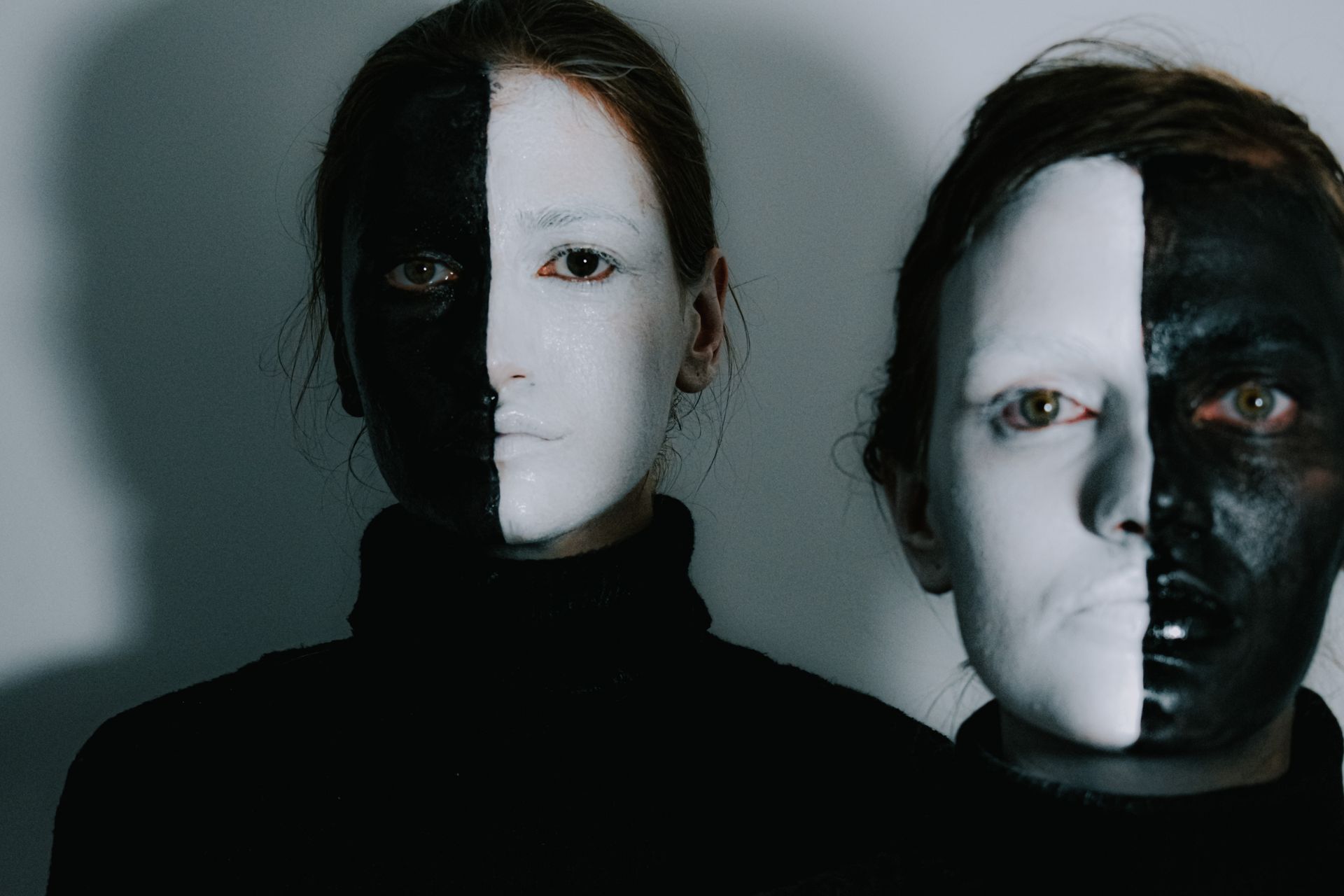
When AI Knows More, Human Judgement Matters More
As AI masters computational complexity, human judgement gains value through context, imagination, emotion, creativity and responsibility.

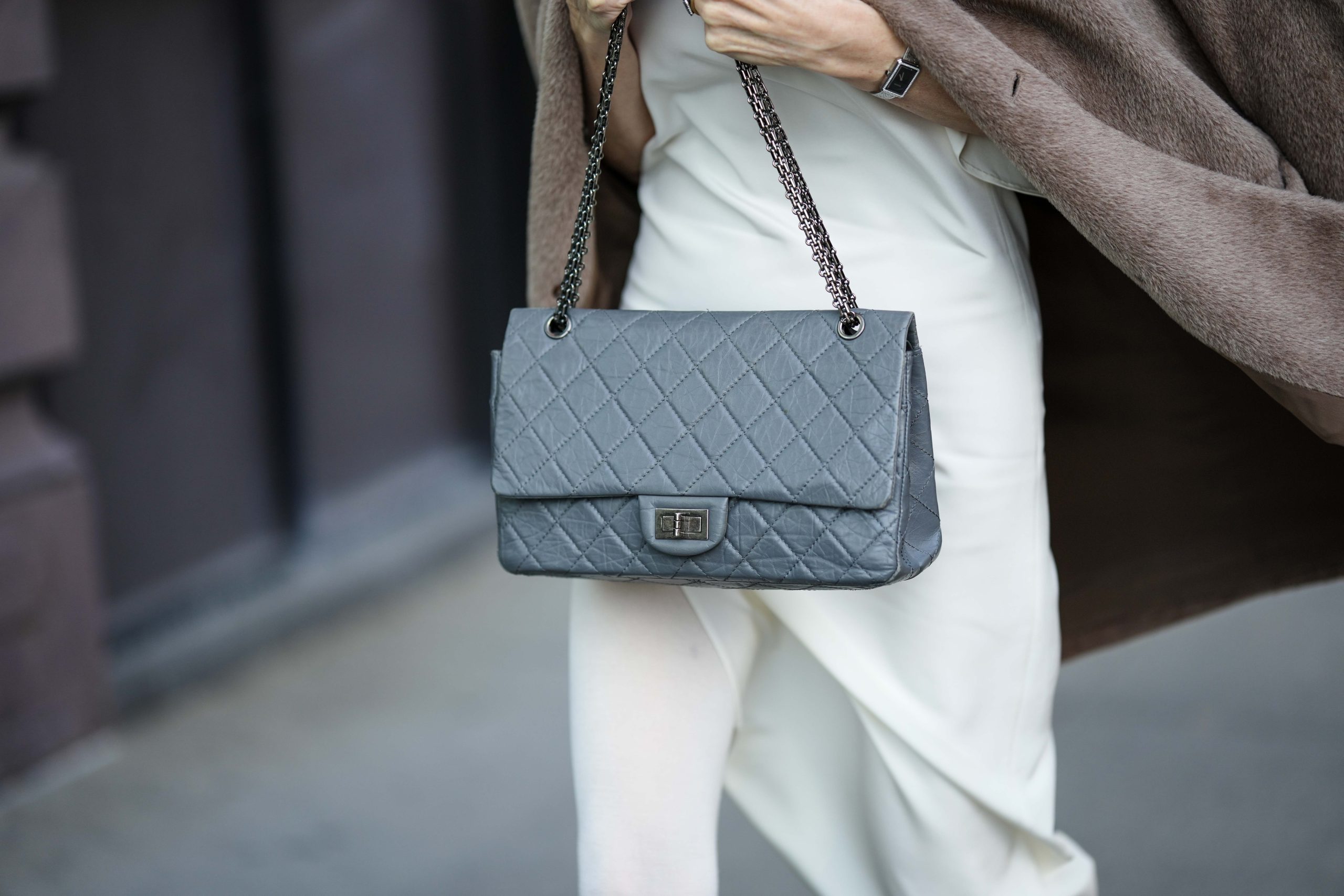
The word maison means house, and it matters because a maison is a cultural and creative system with its own history, codes, masters, rituals, standards and worldview.
Drawing on Philippe Mihailovich’s thinking about luxury and maisons a genuine luxury house is built through heritage, artistry, craft, legitimacy, human relationships and mythology.
Its value cannot be explained only through product attributes or conventional brand management. The maison has a centre: a creative identity and a way of doing things that should survive changes in management, market conditions and creative direction.
Yet survival does not mean immobility:
Ambidextrous Strategy helps the maison remain recognisable whilst evolving.
At company level, the maison must protect:
These elements are difficult to reproduce because they are cumulative; they depend on people, time, apprenticeship and shared culture.
The strategic danger appears when growth overwhelms the system that creates value. Production expands, distribution widens, licensing multiplies and the house’s codes become visible everywhere but meaningful nowhere.
Ambidexterity requires balancing scale with integrity.
At business level, a luxury house must decide:
The brand does not automatically grant permission to sell everything that can physically accommodate it.
A pet bowl may be exquisitely crafted. It may also suggest that the portfolio meeting ran longer than it should have.
At brand level, the house is expressed through:
Ambidextrous Branding preserves these codes as a grammar rather than a template.
Grammar allows the creation of new sentences, whereas a template merely produces the same sentence in different colours.
That origin continues to inform its standards, materials, construction and imagery across categories. The power lies in translating the discipline and respect for materials into new objects.

Successive creative generations have worked within this vocabulary rather than treating every change of direction as a corporate identity crisis. Continuity gives innovation something to push against.

Cannage links contemporary products to the woven chairs used in the original couture salons. The maison builds new expressions through stable codes rather than simply repeating archive pieces.
The Craft Prize supports innovation in global craftsmanship. The maison thereby strengthens its own legitimacy by investing in the wider creative ecosystem from which that legitimacy originates.
Re-Nylon later preserved the material’s visual and conceptual role whilst changing its environmental logic through regenerated material. The symbol remained. The system behind it evolved.
Luxury needs stories, but it also needs truth. A fashion house’s mythology should highlight its genuine history, avoiding fictional aristocratic cousins, suspiciously cinematic workshops or founders who seem to have predicted every cultural development since 1887.
Credible mythology grows from:
The myth should make the truth memorable.
A luxury house should preserve:
And, it should explore:
The archive should act as a creative engine. It should not become an expensive cupboard opened whenever an anniversary requires content.
A maison needs continuity because luxury value depends upon time, legitimacy and the confidence that the house will remain standing.
The most successful maisons maintain a stable cultural centre and flexible creative edges. They allow new generations to inhabit the house, rearrange certain rooms and perhaps open a few windows. They do not tear it down, nor do they insist that everyone should carry on living exactly as the founder did.
The maison remains a maison because it evolves without forgetting what made it worth entering.
From @cleoscloset0, TikTok
This article is part of Legacy with a Future, a five-part series exploring how traditional companies can preserve what makes them distinctive whilst building the capabilities, businesses and brands they will need next.
The articles will be published progressively:
How wineries can protect land, time, family knowledge and provenance whilst responding to climate change, changing consumption and new generations of drinkers. The article looks at Château Margaux, Vega Sicilia, Familia Torres and Catena Zapata, among others.
How luxury maisons can preserve craft, mythology and creative authority whilst evolving their materials, cultural relevance and business models. Drawing on Philippe Mihailovich’s thinking about luxury and maisons, the article explores Hermès, CHANEL, Dior, LOEWE and Prada, among others.
What traditional watchmakers and smartwatches can learn from one another about permanence, service, personalisation and our changing relationship with time. The article considers Patek Philippe, Rolex, OMEGA, Apple Watch and Samsung Galaxy Watch, among others.
How Italian luxury car and motorcycle companies can carry racing, design, craftsmanship and emotion into an electric and software-defined future. The article examines Ferrari, Lamborghini, Pagani, Ducati and MV Agusta, among others.
How spirits brands can turn origin, production knowledge and social rituals into relevant experiences without diluting their distinctive character. The article features Lagavulin, The Macallan, Hennessy, Campari and Jose Cuervo, among others.



Imprint | Privacy | Copyrights | Cookies
 English
 Spanish