
Branding for Two Audiences: People and AI
Branding and AI: Brands must now earn human preference while becoming clear, credible and recommendable to AI.

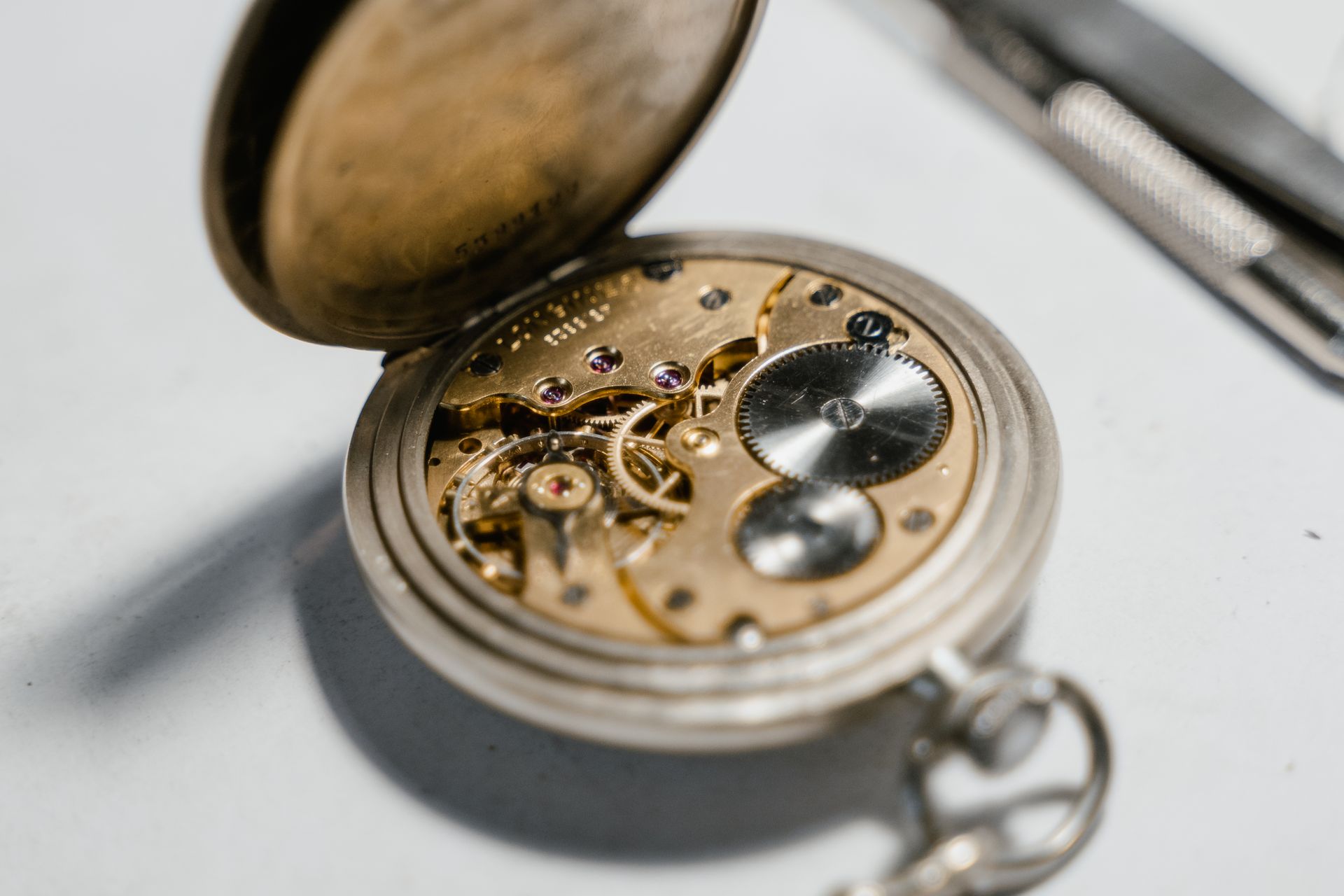
Mechanical watches no longer win by telling the time more accurately.
A phone, cooker or moderately competent microwave can do that.
Their value lies elsewhere: engineering, craftsmanship, design, permanence, symbolism, collection and transmission between generations.
Smartwatches operate through a different logic. They monitor activity, organise communication, track health and encourage behavioural change. Their relationship with time is immediate, measurable and continuously updated.
One promises permanence. The other promises permanent updates.
Both are relevant. Both create rituals. Both shape behaviour. But they do so through fundamentally different propositions.
Ambidextrous Strategy provides a useful way of understanding how traditional watchmakers can protect their mechanical and cultural authority whilst exploring digital services, authentication, resale, personalisation and new relationships with customers.
It also shows what technology brands can learn from objects designed to last longer than their operating systems.
At company level, traditional watchmakers preserve:
Their legacy is not just historical. It is embedded in people, processes and technical knowledge.
For technology companies, the company-level challenge is different. They need to build trust around privacy, health information, software support and the long-term usefulness of connected devices.
One protects centuries of knowledge. The other manages ecosystems evolving by the month.
Ambidexterity does not make them identical. It helps both understand which capabilities must remain stable and which must evolve.
Traditional watchmaking can extend its business through:
These activities turn permanence into an economic model.
Smartwatch businesses build recurring value through:
Traditional manufacturers sell an object that can outlive its owner. Technology companies sell an evolving relationship.
The future may require each side to learn from the other.

That promise changes the meaning of ownership. A watch is not merely purchased; it is temporarily cared for.
The brand story therefore depends on a real organisational capability: archives, components, specialist knowledge and restoration.
This is legacy as an operating system.

The symbolism works because it is connected to demonstrated performance.
A mountain in an advertising campaign is atmosphere. A mountain on which the product was tested is evidence.

It preserved craftsmanship whilst changing the category’s idea of preciousness.
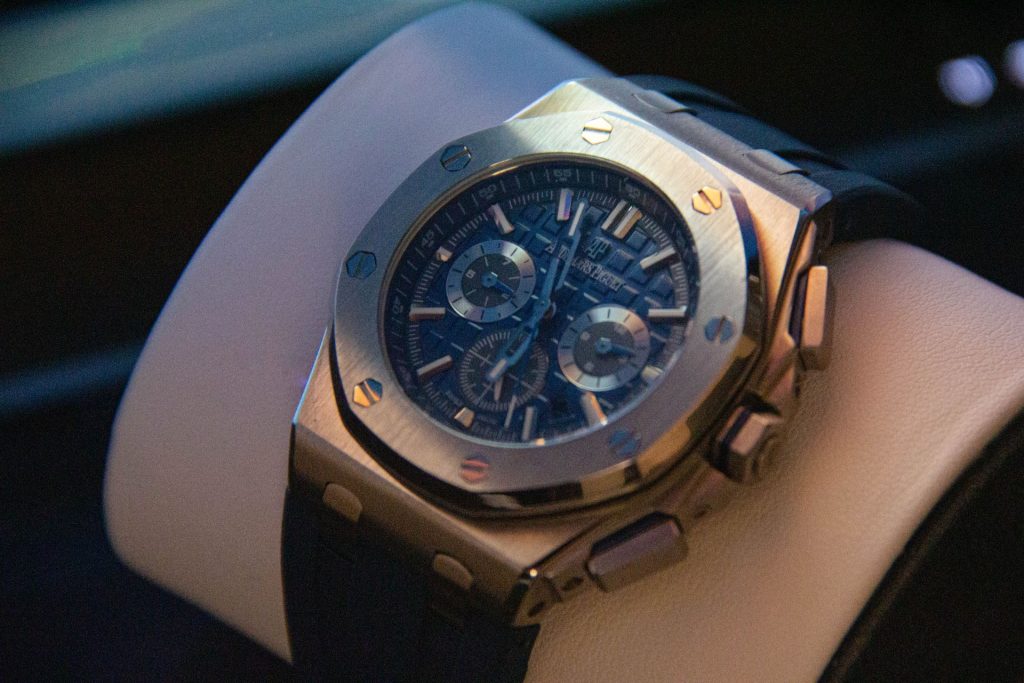
That is Ambidextrous Branding: continuity of capability combined with disruption of expression.

The brand continues to reinterpret this association through movements, materials and contemporary editions.
The story remains valuable because the product first earned it as a working instrument.

Its central ritual is not inheritance but repetition.
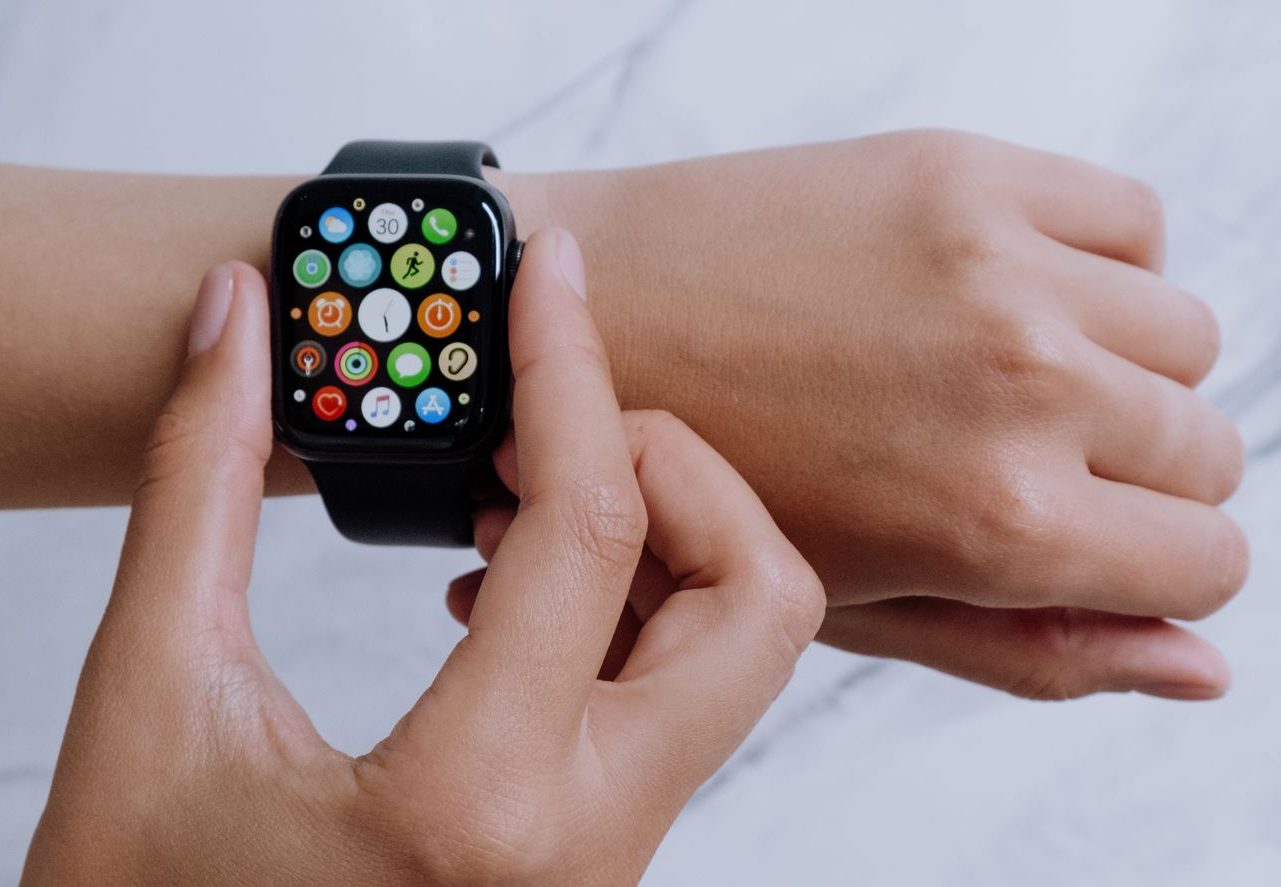
Move. Measure. Improve. Repeat tomorrow.

The familiar circular form reassures users whilst the software expands what the device can do.
Technology does not always need to destroy old codes. Occasionally, it notices that several centuries of product design may have contained a decent idea.
Mechanical watchmakers can learn from smartwatches about:
This means recognising that customers increasingly expect brands to remain useful after purchase.
Technology brands can learn from watchmakers about:
A software update creates utility. A restored watch creates continuity. The two forms of value need not cancel one another.
Traditional watchmakers should not become technology companies with nicer cases while technology companies should not imitate mechanical heritage through decorative watch faces alone. Each should understand its central meaning.
Time can be measured in seconds, heartbeats, software cycles or generations. The most interesting brands know which form of time they truly own.
This article is part of Legacy with a Future, a five-part series exploring how traditional companies can preserve what makes them distinctive whilst building the capabilities, businesses and brands they will need next.
The articles will be published progressively:
How wineries can protect land, time, family knowledge and provenance whilst responding to climate change, changing consumption and new generations of drinkers. The article looks at Château Margaux, Vega Sicilia, Familia Torres and Catena Zapata, among others.
How luxury maisons can preserve craft, mythology and creative authority whilst evolving their materials, cultural relevance and business models. Drawing on Philippe Mihailovich’s thinking about luxury and maisons, the article explores Hermès, CHANEL, Dior, LOEWE and Prada, among others.
What traditional watchmakers and smartwatches can learn from one another about permanence, service, personalisation and our changing relationship with time. The article considers Patek Philippe, Rolex, OMEGA, Apple Watch and Samsung Galaxy Watch, among others.
How Italian luxury car and motorcycle companies can carry racing, design, craftsmanship and emotion into an electric and software-defined future. The article examines Ferrari, Lamborghini, Pagani, Ducati and MV Agusta, among others.
How spirits brands can turn origin, production knowledge and social rituals into relevant experiences without diluting their distinctive character. The article features Lagavulin, The Macallan, Hennessy, Campari and Jose Cuervo, among others.



Imprint | Privacy | Copyrights | Cookies
 English
 Spanish